Design Trends
Modern Lighting Trends in Australia: What's Shaping Interiors in 2025Mar 30, 2026 · 6 min read

Choosing the right lighting for modern homes is an art that balances aesthetics and functionality. Beyond mere illumination, effective interior lighting design can transform spaces, enhance moods, and highlight architectural features. For homeowners and renters keen on cultivating a contemporary aesthetic, understanding the principles of modern lighting is paramount.
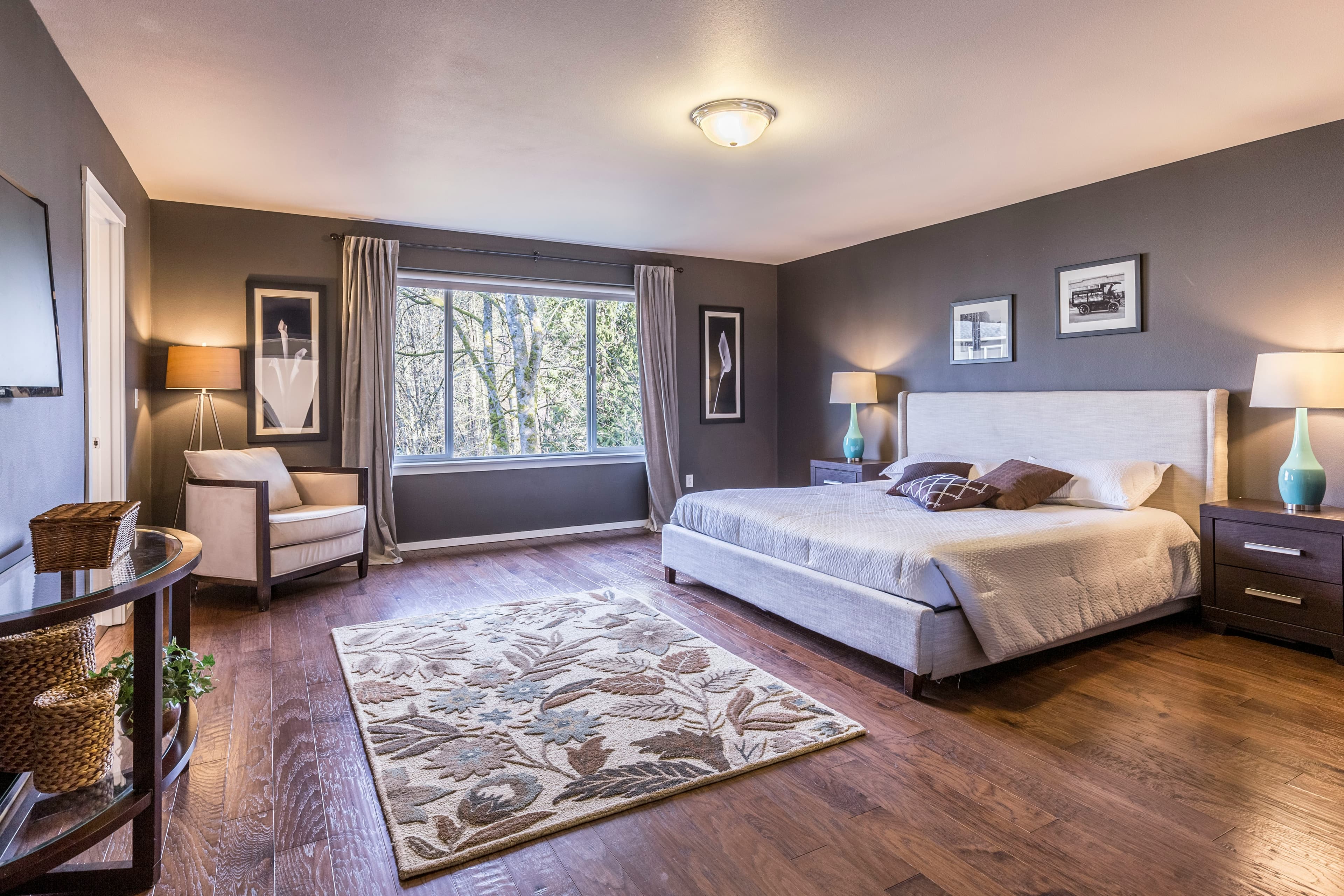
The foundation of sophisticated interior lighting design lies in the concept of layered lighting. This approach involves combining three distinct types of lighting to create a versatile and inviting atmosphere: ambient, task, and accent.
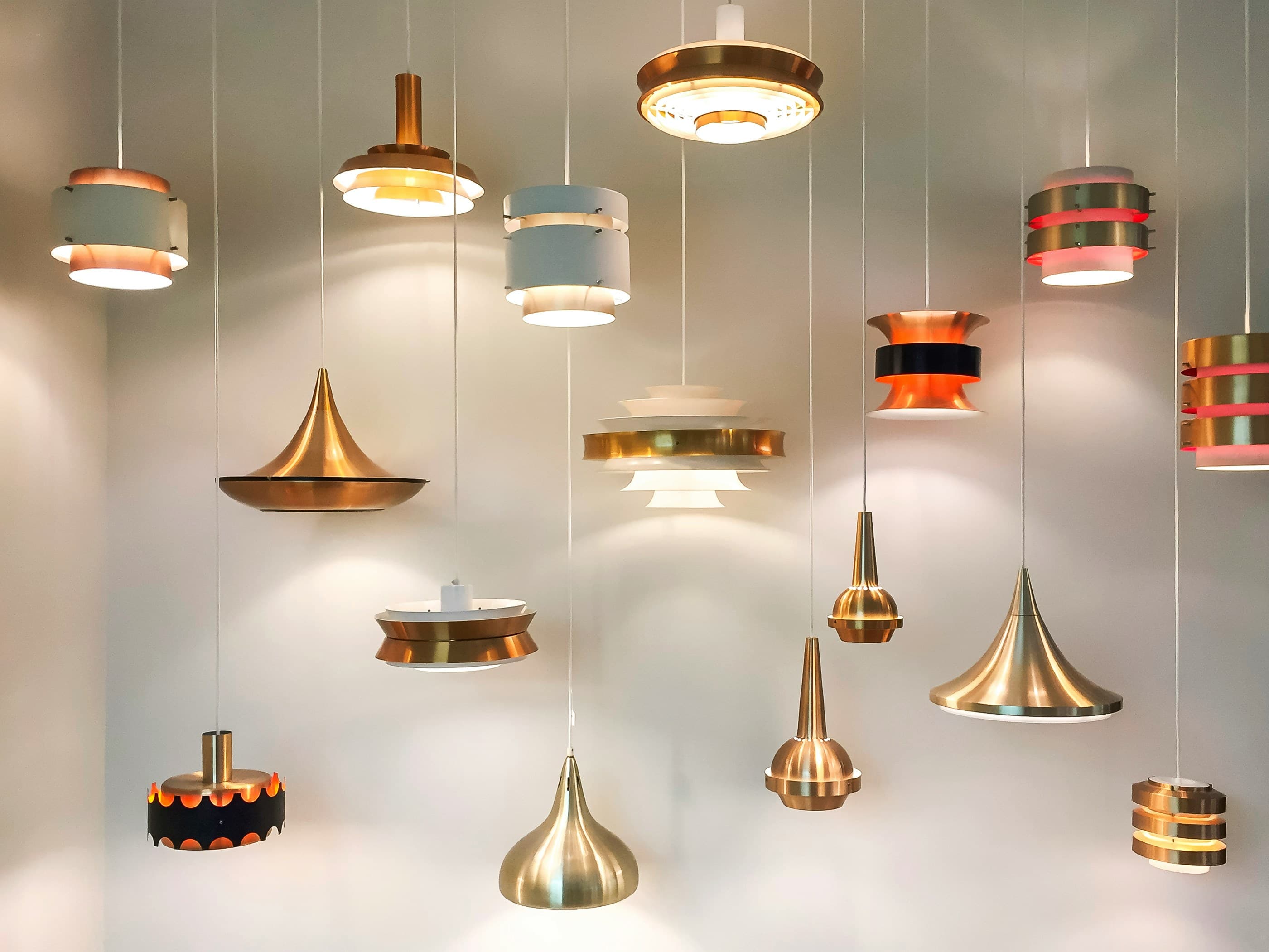
Ambient lighting provides general illumination, ensuring a room is bright enough for basic activities and movement. In modern homes, which often feature open-plan living and expansive windows, ambient lighting should complement natural light rather than compete with it. Options include recessed downlights, ceiling-mounted fixtures, or even large pendant lights that diffuse light broadly. The goal is a soft, even glow that forms the base layer of your lighting scheme.
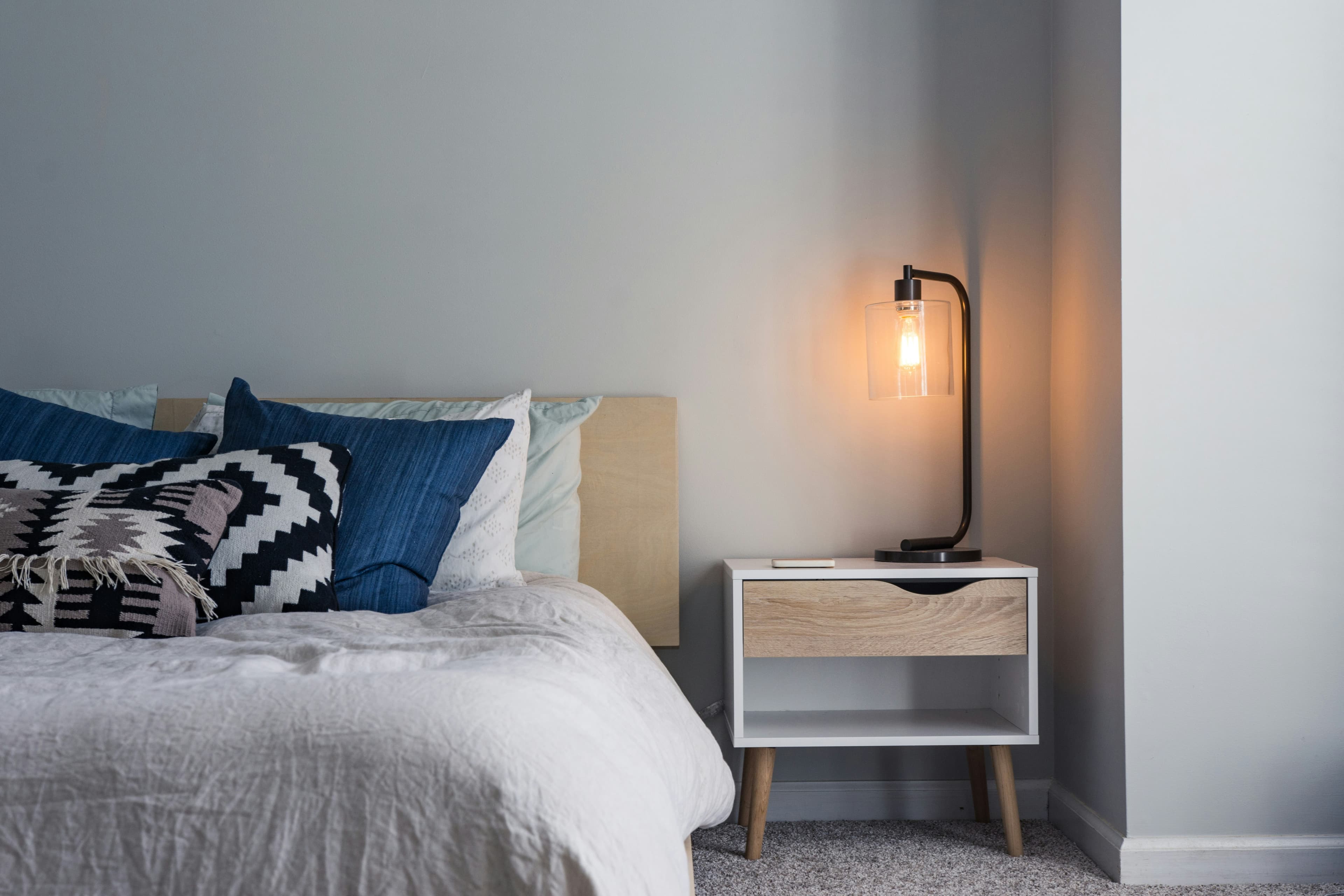
Task lighting is focused illumination designed to aid specific activities such as reading, cooking, or working. This type of lighting is crucial for functionality and can prevent eye strain. Examples include under-cabinet lighting in kitchens, desk lamps in home offices, or adjustable floor lamps beside a reading chair. When selecting task lighting, consider its directionality and intensity, ensuring it effectively serves its purpose without creating harsh shadows.
Accent lighting is used to draw attention to specific architectural details, artwork, or decorative elements. It adds depth and visual interest to a room, creating focal points and a sense of drama. Track lighting, picture lights, and narrow-beam spotlights are common forms of accent lighting. For modern homes, accent lighting can be particularly effective in showcasing natural textures like timber or stone, or highlighting a curated collection of home decor.
Australian homes often embrace an indoor-outdoor lifestyle, with designs that maximise natural light and ventilation. In large, open-plan areas, a cohesive lighting strategy is essential. Use consistent colour temperatures and styles across different zones to maintain flow, while employing task and accent lighting to define specific areas. For high ceilings and expansive windows, consider statement pendant lights that fill vertical space or strategically placed uplights to wash walls with light.
The choice of materials for your lighting fixtures plays a significant role in defining the aesthetic of your modern home. Natural materials like timber, ceramic, and linen are popular in Australian design, reflecting a connection to the landscape. Metals such as matte black, brushed brass, and polished chrome also feature prominently. Energy efficiency is not just an environmental consideration — LED lighting is the standard, offering longevity, low energy consumption, and a wide range of colour temperatures.
Colour temperature, measured in Kelvin (K), dictates the warmth or coolness of light. A warmer colour temperature (2700K–3000K) is often preferred in living areas and bedrooms to create a cosy, inviting atmosphere. Cooler temperatures (3500K–4000K) are more suitable for task-oriented areas like kitchens and bathrooms. Consistency in colour temperature across a single space contributes to a harmonious interior lighting design.
Selecting the right lighting for modern homes involves a thoughtful consideration of layered lighting principles, architectural context, material choices, and energy efficiency. By carefully planning your interior lighting design, you can create spaces that are not only functional and beautiful but also deeply reflective of a contemporary Australian lifestyle. The right lighting enhances your home decor ideas and transforms your living environment.
Understanding layered lighting, colour temperature, and material selection to find the perfect fixtures for your modern home.
— The Ottova Team
← Back to BlogDesign Trends
Modern Lighting Trends in Australia: What's Shaping Interiors in 2025Mar 30, 2026 · 6 min read
Interior Design
Best Lighting Ideas for Living Rooms in Modern HomesMar 26, 2026 · 5 min read